What to Check Before Buying Aftermarket Forestry Mulcher Teeth
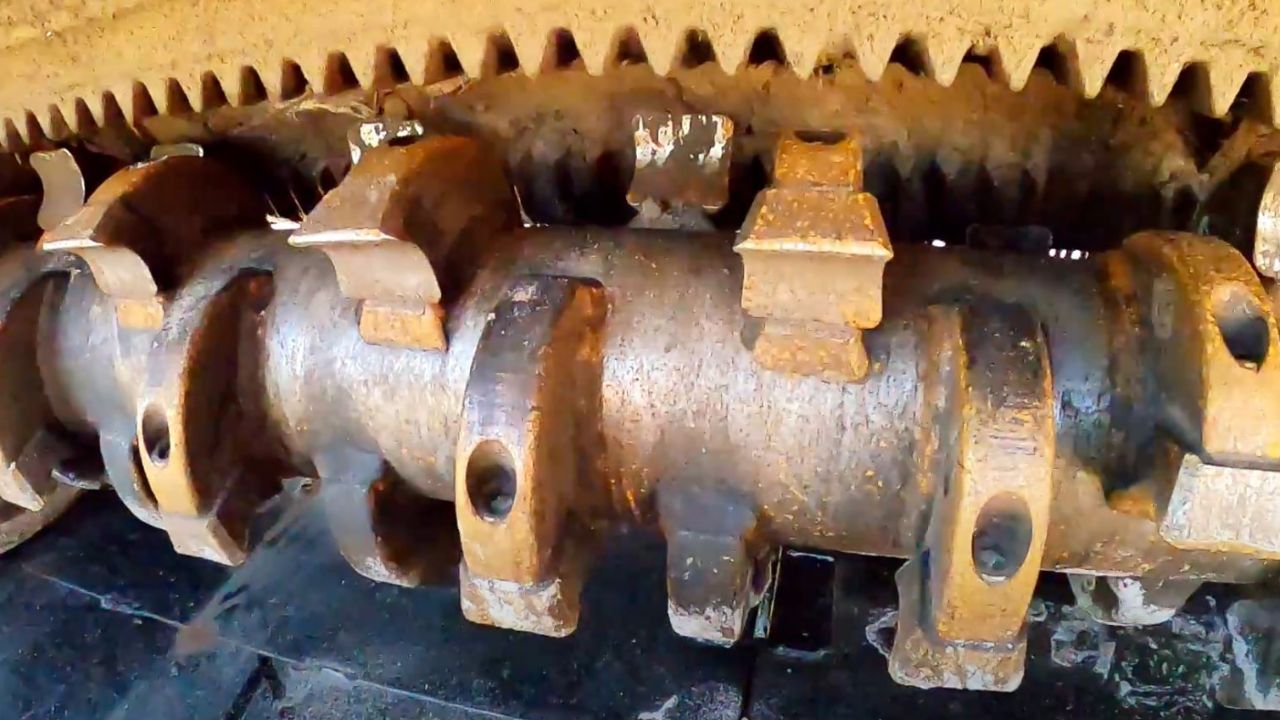
The aftermarket forestry mulcher teeth are replacement cutting parts for mulching machines when the original parts wear out. These teeth handle direct impact with wood, brush, and soil, so their condition and quality affect how well the machine performs. Buying the right set is not only about cost. It also affects how long the machine can work without stopping and how often parts need to be replaced. Many operators compare options carefully before choosing replacements. Some suppliers, such as JYF Machinery, provide a range of compatible teeth designed for different machine types and working conditions.
Fit with Your Machine
Compatibility of the teeth should first be verified based on your particular model. Even slight differences in shape and size can result in malfunction or destruction of your unit. How these mulcher systems mount will vary with each one. When the tooth isn’t in place, it can become loose while in use. This results in uneven cutting and additional stress on the rotor.
Material Strength
The longevity depends on the material used for the tooth. The teeth used on after-make are made from other grades of steel and may even have hardened tips added for increased durability. Rocks, hardwood, and dry soil are more easily withstood by stronger materials. The lower-grade materials might wear out more rapidly, particularly under harsh forestry conditions. This distinction is apparent when people are working long hours.
Cutting Shape
The shape of the tooth affects how it interacts with vegetation. Some models are designed for “cutting,” and others are designed for “gradual grinding” and “breaking”. The shape used will be determined by the nature of the terrain that will be cleared. The denser the shrub, the greater the influence on the shape; conversely, the less dense the shrub, the sharper the edge will be.
Wear Resistance
One essential test to perform is wear resistance prior to purchase. In forestry, the cutting edge is constantly stressed, and teeth must maintain their form for a reasonable time. Rapid wear reduces efficiency and increases maintenance needs. JYF Machinery’s parts are chosen for repeated-impact applications across many field operations.
Heat Treatment Quality
The process of using heat to make metals stronger. It influences the tooth’s response to cutting pressure and impact. Improper heat treatment can result in cracks or breakage. The correct treatment can preserve the tooth’s shape under constant stress, even in dense vegetation.
Works with Rotor Speed
There are a variety of mulchers that vary in their speed. The speed must be enough to prevent the tooth from loosening or breaking under force. If not within the proper range, it can vibrate or wear unevenly. This impacts safety and cutting productivity.
Impact Load Handling
Forestry mulcher teeth face repeated impact with wood and hidden ground material. Some areas contain rocks or hard roots that increase stress on the cutting edge. Teeth that cannot handle impact load tend to chip or break. Stronger designs are needed when working in unpredictable ground conditions.
Replacement Frequency
Another factor is how often teeth must be replaced. Cheaper options may look good initially, but they require frequent changes, which increases downtime. A more balanced choice reduces interruptions during work. Equipment systems supported by JYF Machinery are often chosen for this reason, as they aim for longer working intervals between replacements.
Installation Ease
Some aftermarket teeth are easier to install than others. Simple installation saves time during maintenance and reduces machine downtime. Complicated designs may require special tools or extra steps. This becomes important when working in remote areas where quick replacement is needed.
Consistency of Performance
It is important that all teeth in a set perform in a similar way. If some wear faster than others, the cutting pattern becomes uneven. Uneven performance can lead to patchy clearing and extra passes over the same area. Consistency helps maintain smooth operation across the entire rotor.
Supplier Reliability
The source of the parts also matters. A reliable supplier ensures that dimensions and materials stay consistent across batches. This reduces the risk of quality variation. In professional forestry work, a consistent supply is often as important as the initial purchase itself.
Long-Term Cost View
Choosing the least expensive product does not guarantee you will save money. A better approach is to consider total usage over months of work. Some aftermarket teeth from JYF Machinery are selected based on this long-term view rather than initial price alone.
Conclusion
When purchasing aftermarket parts for forestry mulcher teeth, you should take into account compatibility, toughness, durability, and the operating environment, as these things will help improve efficiency in your equipment. It is also important to select wisely since this will help minimize downtime. In practice, many operators rely on replacement parts from JYF Machinery to maintain consistent results across various land-clearing tasks.